
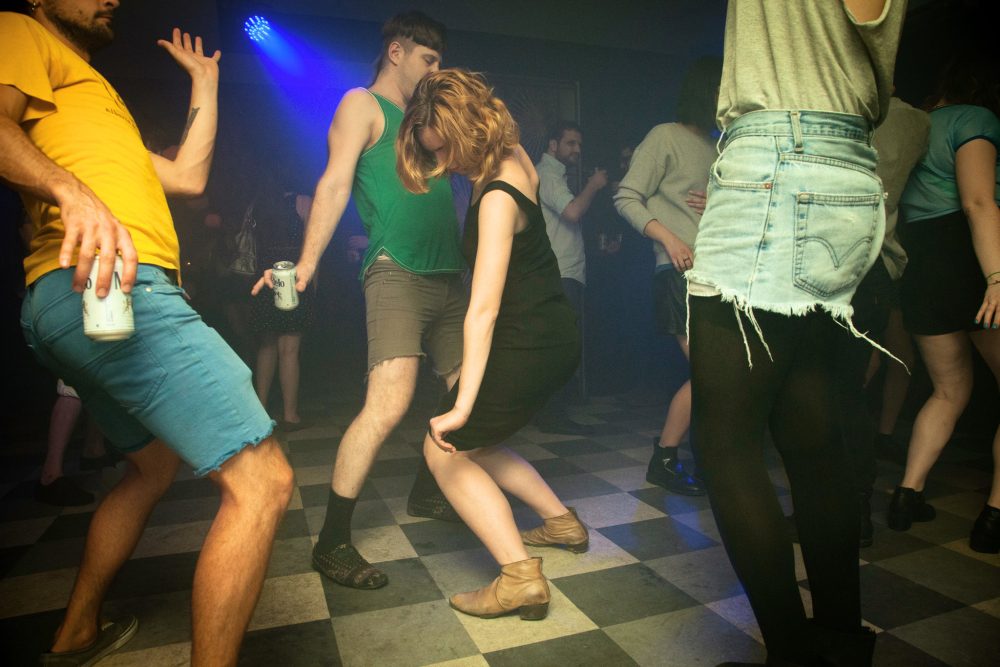
Introduction: Dance Floors as Modern-Day Stages
The rhythmic sway of bodies under pulsating lights, the hypnotic blend of sound and movement, and the uninhibited energy of strangers moving in sync—all of these define the vibrant world of club dance. It is more than just movement set to music. Club dance is a social phenomenon, a ritual of liberation, and a cornerstone of nightlife culture that transcends borders and generations. Rooted in urban environments and driven by sound innovation, it fuses music, personality, and cultural identity into a single dynamic art form. This article delves into the origins, evolution, techniques, and global influence of club dance, presenting it as not just entertainment but as a living expression of modern humanity.
The Birth and Evolution of Club Dance
Club dance, in its modern form, emerged in tandem with the growth of disco and electronic music during the late 20th century. As musical genres evolved, so too did the movement styles that accompanied them, adapting to new rhythms, aesthetics, and social contexts.
From Disco to Techno: A Brief Timeline
-
1970s – The Disco Explosion: With the rise of disco, dance floors became places of glamour and expression. Movements were free-flowing, rhythmic, and flamboyant—celebrations of individuality and community.
-
1980s – House and Hip-Hop Influence: In cities like Chicago and New York, house music and hip-hop gained traction. Club dance styles responded with more grounded, rhythmic movements, including footwork patterns, isolations, and street-dance influences.
-
1990s – The Rave Era: As electronic music exploded in Europe and North America, so did rave culture. Dance became faster, more chaotic, and often trance-like—reflections of the frenetic energy of techno and trance beats.
-
2000s to Present – Global Hybridity: The digital age has seen the fusion of countless styles: shuffle, vogue, krump, Afrobeat, and more. Club dance now exists in a hybrid, global form, continuously shaped by new sounds, platforms, and communities.
Club dance has never stood still. It has evolved in rhythm with technological, social, and artistic trends, making it a mirror of the times.
Movement and Mechanics: What Defines Club Dance?
Unlike structured dance forms such as ballet or salsa, club dance is primarily improvisational. It is built on instinct and adaptation, with dancers responding in real time to the rhythm, mood, and texture of the music.
Core Characteristics of Club Dance
-
Freestyle Expression: Dancers are free to interpret the music however they choose. There is no prescribed routine—only rhythm and feeling.
-
Emphasis on Rhythm: Regardless of style, club dance movements follow the beat. The body becomes an extension of the sound.
-
Footwork Focus: Many club styles involve distinctive foot patterns—shuffling, stomping, gliding—that contribute to the energy and visual impact.
-
Body Isolations: Moving the shoulders, hips, or chest independently adds depth and musicality to the dance.
-
Interaction: Whether dancing solo, in pairs, or in groups, social interaction is an essential component. Eye contact, mirroring, and response play a major role in shared movement.
There’s an emphasis on authenticity rather than perfection. The goal isn’t to perform but to connect—with the music, with others, and with oneself.
The Club as a Cultural Arena
Clubs are far more than nightlife hotspots. They are cultural incubators, places where art, identity, and community converge. On the dance floor, societal norms are often suspended, allowing for uninhibited expression and emotional release.
The Role of the Club in Dance Culture
-
Creative Space: Dancers use clubs as studios—places to experiment with movement and develop new styles.
-
Safe Haven: Especially for marginalized groups, including the LGBTQ+ community, clubs offer spaces of acceptance and freedom.
-
Identity Formation: What you wear, how you move, and the music you respond to all contribute to a sense of personal and cultural identity.
-
Emotional Outlet: Dancing provides catharsis. For many, clubbing isn’t just recreation—it’s a necessary form of emotional expression and release.
Club dance often challenges societal conventions, reclaiming agency over the body and creating a space where difference is not only tolerated but celebrated.
The Influence of Technology and Media
Digital culture has profoundly impacted how club dance is practiced, shared, and consumed. What once took place exclusively in underground venues is now broadcast worldwide through social platforms, influencing millions.
Digital Age Shaping the Club Dance Scene
-
Social Media: Platforms like TikTok, YouTube, and Instagram have made club-inspired routines accessible to global audiences. Viral dance challenges often stem from club-style moves.
-
Streaming and Virtual Events: DJs stream live sets, and dancers participate from home—especially during lockdowns. This digital accessibility keeps the spirit of club dance alive even beyond physical venues.
-
Wearable Tech and Lighting Effects: Advanced lighting and sound systems now enhance the sensory immersion of dance. Some clubs even feature interactive tech that responds to dancers’ movements.
-
Music Production Tools: As music becomes easier to produce and distribute, new rhythms constantly influence dance innovation. A fresh beat can birth a new movement trend overnight.
Technology amplifies the reach of club dance without diluting its core essence—spontaneous, emotional movement in response to sound.
Club Dance Around the World
Despite its global spread, club dance is deeply shaped by local cultures. Regional music styles, social customs, and even architectural design all influence how people dance in clubs around the world.
Global Variations of Club Dance
-
Berlin: Known for minimalist techno, dancing in Berlin often involves subtle, hypnotic movements and long, immersive sets.
-
Rio de Janeiro: Brazilian clubs pulse with Funk Carioca, leading to explosive, booty-driven dancing with Afro-Latin roots.
-
Tokyo and Seoul: Precision, style, and choreography intersect with personal flair, blending club freestyle with pop idol aesthetics.
-
Lagos and Johannesburg: Amapiano and Afrobeat dominate, with fluid, full-bodied movements and communal group dances.
-
London and New York: Cross-genre fusion reigns, with dancers mixing hip-hop, house, grime, and vogue in urban club scenes.
These regional styles enrich the global tapestry of club dance, each contributing to a shared yet diverse cultural expression.
Emotional and Psychological Resonance
What draws people to club dance night after night? Beyond the music and lights, there’s something inherently therapeutic in letting go on a dance floor. Club dance taps into primal human needs: the desire for connection, the power of movement, and the freedom to feel.
The Deeper Impact of Club Dancing
-
Enhances mood and mental health through endorphin release
-
Boosts confidence and body positivity
-
Encourages mindfulness and present-moment awareness
-
Creates belonging and emotional bonds in social settings
In an increasingly digital and disconnected world, the physicality and presence required by club dance offer rare moments of authenticity.
Conclusion: The Unchoreographed Symphony of Modern Life
Club dance continues to thrive because it reflects a universal human impulse: to move freely, to express without words, and to connect through rhythm. It exists at the intersection of art, identity, and community, constantly evolving in response to music, technology, and social change.
Whether in a packed warehouse, a velvet-lined lounge, or a glowing screen on your phone, the essence of club dance remains timeless. It is not bound by steps or styles, but by spirit. It is the dance of the night, the celebration of being alive, and the heartbeat of the cities we live in.
 Live Moment Music