
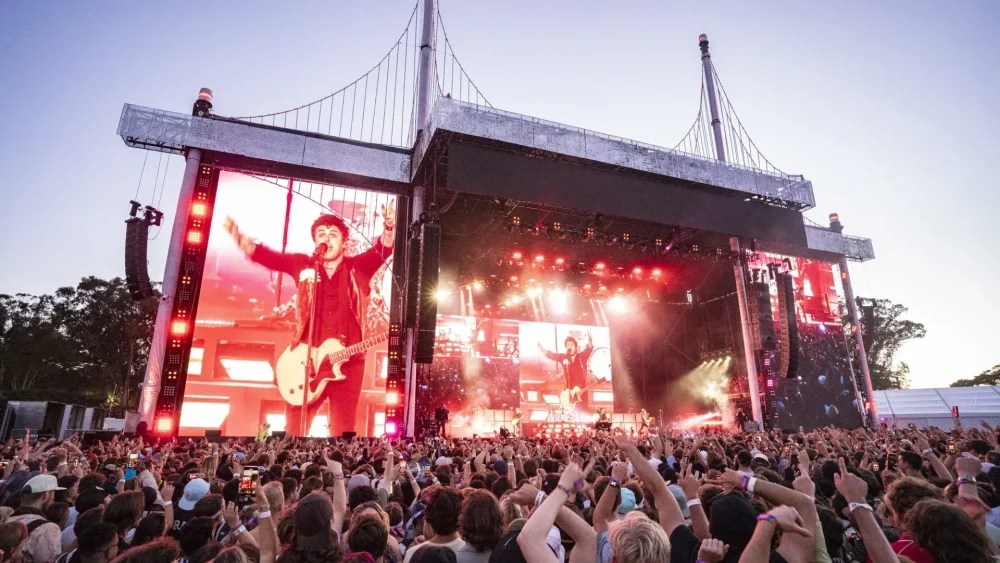
In every corner of the world, festivals and events have served as vital expressions of culture, community, and human spirit. These moments of collective celebration transcend mere entertainment; they are reflections of identity, history, and shared values that bind people together across generations. From the rhythmic pulse of traditional dances to the gleaming lights of modern-day concerts, festivals and events continue to evolve while preserving their timeless essence. This article explores the intricate world of festivals and events, shedding light on their cultural importance, social impact, and the artistry involved in creating unforgettable experiences.
Defining Festivals and Events: Understanding Their Nuances
While often used interchangeably, festivals and events bear distinct characteristics that merit closer examination. A festival generally denotes a recurring cultural or religious celebration marked by rituals, performances, and communal participation. It is steeped in tradition and often tied to seasonal, historical, or spiritual significance. Examples include the vibrant colors of India’s Holi, the solemnity of Japan’s Obon, or the exuberant parades of Brazil’s Carnival.
An event, in a broader sense, is any organized gathering designed to serve a particular purpose, such as education, networking, entertainment, or commemoration. This category encompasses everything from art exhibitions and film premieres to corporate conferences and sporting contests. Unlike festivals, events may not necessarily recur or hold cultural weight but are equally pivotal in shaping social experiences.
The Cultural Heartbeat of Festivals
Festivals stand as living testaments to a community’s heritage, often encapsulating centuries of tradition and meaning. They provide a platform where ancient customs are celebrated and passed down, ensuring continuity amid the shifting tides of modern life.
Core features of festivals include:
-
Symbolism and Rituals: Every element, from costume design to ceremonial offerings, carries significance that connects participants to their roots.
-
Artistic Flourish: Music, dance, culinary arts, and visual creativity are often at the forefront, engaging the senses and evoking emotion.
-
Communal Participation: Festivals are inherently inclusive, inviting people of all ages and backgrounds to partake in collective joy.
-
Connection to Nature and Time: Many festivals align with natural cycles, such as harvest seasons or lunar phases, underscoring humanity’s bond with the environment.
The Modern Evolution of Events
The contemporary landscape of events has expanded far beyond traditional festivals, embracing an array of formats that cater to increasingly specialized interests and purposes. The rise of technology has revolutionized event experiences, introducing virtual and hybrid models that transcend geographic limitations.
Key trends shaping today’s events include:
-
Interactivity and Engagement: Event organizers strive to create immersive environments where attendees actively participate rather than passively observe.
-
Personalization: Tailoring content to niche audiences enhances relevance and satisfaction.
-
Sustainability: With growing ecological awareness, events increasingly adopt green practices such as reducing waste, promoting public transport, and using renewable energy.
-
Global Accessibility: Virtual platforms allow diverse populations to connect, fostering inclusivity and expanding cultural exchange.
Psychological and Social Benefits of Festivals and Events
Beyond spectacle, festivals and events play an indispensable role in nurturing mental well-being and social cohesion. They act as vital counterpoints to the isolation and pressures of everyday life.
Notable benefits include:
-
Strengthening Social Bonds: Shared experiences during these gatherings foster a sense of belonging and collective identity.
-
Emotional Renewal: The excitement, music, and movement associated with celebrations elevate mood and reduce stress.
-
Cultural Learning: Exposure to different traditions promotes empathy and intercultural understanding.
-
Community Empowerment: Festivals often serve as platforms for marginalized voices, allowing communities to celebrate and assert their heritage.
Behind the Scenes: The Craft of Organizing Festivals and Events
The enchantment of festivals and events is rarely spontaneous; it is the result of detailed planning, creative insight, and precise coordination. Organizers balance numerous factors to ensure a seamless and memorable experience.
Essential components in event planning include:
-
Understanding the Audience: Knowing the preferences, expectations, and needs of attendees guides programming and atmosphere.
-
Selecting the Right Venue: Location affects accessibility, ambiance, and logistical feasibility.
-
Marketing and Promotion: Effective communication builds anticipation and attracts the right crowd.
-
Safety and Compliance: Legal considerations and security protocols are paramount to protect participants.
-
Collaboration: Partnerships with sponsors, artists, and community groups enrich the event and distribute responsibilities.
Iconic Festivals and Events: Windows into Global Culture
Several renowned festivals illustrate the rich variety and universal appeal of these gatherings:
-
Rio Carnival (Brazil): An explosion of samba rhythms, elaborate costumes, and street parades, it embodies a collective spirit of joy and cultural pride.
-
Diwali (India): The Festival of Lights celebrates triumph over darkness with lanterns, fireworks, and family rituals.
-
Burning Man (USA): A unique blend of art, self-expression, and communal living in the Nevada desert, emphasizing creativity and radical inclusion.
-
Edinburgh Fringe Festival (Scotland): The world’s largest arts festival, showcasing diverse theatrical and comedic performances.
The Future of Festivals and Events: Innovation Meets Tradition
As society advances, festivals and events are adapting while maintaining their core purpose of bringing people together. Hybrid formats that blend in-person and online participation are becoming standard, enhancing accessibility without sacrificing intimacy.
Environmental consciousness will drive innovations in event sustainability, from zero-waste initiatives to carbon-neutral venues. Meanwhile, the desire for authentic, immersive experiences will inspire organizers to craft narratives that resonate deeply with attendees, creating moments that linger long after the final curtain falls.
Conclusion
Festivals and events are indispensable threads in the fabric of human life, uniting us in celebration, reflection, and communal spirit. Their enduring appeal lies in their ability to honor tradition while embracing change, offering spaces where identity, creativity, and connection flourish. Whether steeped in ancient ritual or fueled by cutting-edge technology, these gatherings remind us of our shared humanity and the profound joy found in coming together. As we look to the future, the art of celebration will continue to inspire and enrich communities worldwide, a testament to the timeless power of collective experience.
 Live Moment Music