
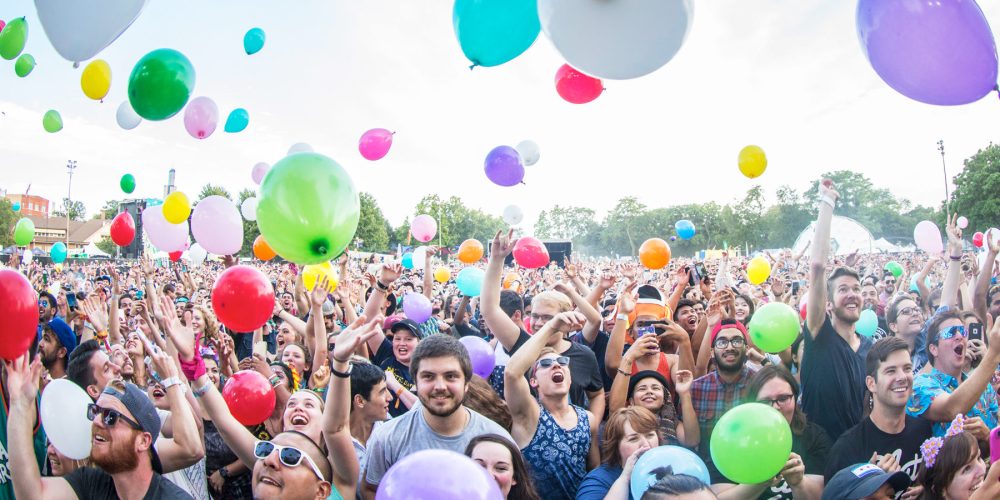
Introduction: The Heartbeat of Humanity
Festivals and events are far more than just celebratory gatherings. They are vibrant expressions of human culture, woven deeply into the fabric of societies across the globe. From religious observances and seasonal celebrations to music festivals and national holidays, these moments encapsulate traditions, forge connections, and offer profound insight into a community’s identity. In an era where digital communication often overshadows physical presence, festivals remain one of the few truly immersive, real-world experiences that bring people together in joyous unity.
Understanding the Significance of Festivals and Events
Festivals and events serve both social and psychological purposes. They are platforms for communal participation, emotional expression, and cultural continuity. Whether local or global, these occasions have lasting impacts:
-
Preservation of Heritage: Festivals keep ancient customs and oral traditions alive, passed down from generation to generation.
-
Cultural Exchange: Global events like the Olympics or international film festivals foster dialogue between nations and cultures.
-
Community Building: Local festivals instill a sense of belonging and collective identity within a community.
-
Economic Stimulation: Events often act as catalysts for tourism and local commerce, fueling small businesses and artisans.
Types of Festivals and Events
Human civilization has evolved around the rhythm of celebration. The diversity of festivals reflects the richness of global culture:
1. Religious and Spiritual Festivals
These are perhaps the oldest forms of communal celebrations, rooted in sacred texts and spiritual traditions.
-
Examples: Diwali (India), Easter (Christianity), Eid al-Fitr (Islam), Hanukkah (Judaism), Vesak (Buddhism)
-
Purpose: Commemorate deities, spiritual figures, or important religious events
-
Common Features: Rituals, prayers, offerings, symbolic foods, and community gatherings
2. Cultural and Traditional Festivals
These events celebrate historical milestones, folklore, and regional traditions.
-
Examples: Chinese New Year, Carnival (Brazil), Nowruz (Persia), Obon (Japan)
-
Significance: Reinforce ethnic identity and cultivate respect for one’s roots
-
Activities: Music, dance, costumes, feasts, storytelling
3. Seasonal and Agricultural Festivals
Rooted in agrarian life, these festivals mark the change of seasons or harvest periods.
-
Examples: Holi (Spring), Pongal (Harvest), Oktoberfest (Autumn), Midsummer (Scandinavia)
-
Function: Express gratitude to nature and celebrate abundance
-
Customs: Bonfires, floral decorations, feasting, and games
4. Modern Events and Popular Celebrations
In recent decades, new forms of festivals have emerged, driven by art, entertainment, and global trends.
-
Examples: Coachella (Music), Cannes (Cinema), Comic-Con (Pop Culture), Pride Parades (LGBTQ+ rights)
-
Purpose: Celebrate creativity, innovation, and inclusion
-
Participants: Diverse, often international audiences, brought together by shared interests
The Social and Psychological Benefits of Festivals
The impact of festivals is not only cultural but deeply emotional and social. Here’s how they enrich lives:
Emotional Renewal
-
Festivals offer an emotional reset, allowing participants to break away from routine and experience joy, wonder, and nostalgia.
-
They help combat loneliness and seasonal affective disorders through communal participation and positive energy.
Strengthening Relationships
-
Family reunions and community gatherings during festivals provide opportunities for bonding and reconciliation.
-
Sharing meals, traditions, and stories fosters empathy and trust.
Enhancing Identity and Belonging
-
Celebrating one’s culture affirms personal and collective identity.
-
Immigrants and diaspora communities often use festivals as anchors of belonging in foreign lands.
The Economic and Tourism Impact
Well-organized events often serve as engines of economic growth:
-
Job Creation: From vendors to event planners, a wide array of temporary employment opportunities emerge.
-
Boost in Hospitality: Hotels, restaurants, and transport industries benefit significantly from increased tourist influx.
-
Craft and Artisan Promotion: Local artisans and performers gain exposure and revenue through stalls and performances.
Sustainability and the Future of Celebrations
As festivals grow in scale, concerns about their environmental impact are on the rise. Sustainability is becoming a key focus:
-
Eco-Friendly Practices: Use of biodegradable materials, zero-waste policies, and solar-powered stages are gaining popularity.
-
Inclusivity: Modern festivals are increasingly mindful of accessibility and diversity, ensuring all feel welcome.
-
Digital Integration: Hybrid events, incorporating both in-person and virtual experiences, have expanded the reach and inclusiveness of festivals post-pandemic.
Case Study: The Transformational Power of Carnival in Brazil
Arguably one of the world’s most iconic festivals, Brazil’s Carnival is more than a party—it’s a showcase of creativity, social commentary, and community spirit. Entire neighborhoods, known as “samba schools,” prepare all year for the event. The parade is not only a feast for the senses but a stage where social and political issues are expressed through dance and costume. Economically, Carnival contributes billions to Brazil’s GDP and provides thousands of jobs, both formal and informal. It is a living example of how deeply impactful a festival can be on every layer of society.
Conclusion: More Than Merriment
Festivals and events remind us of what it means to be human. They are milestones in our personal and collective calendars, moments that bring joy, reflection, and inspiration. In a fragmented world, they serve as powerful reminders of our shared stories and our enduring need for connection. Whether ancient or avant-garde, rooted in faith or fueled by fun, each festival has a story to tell and a legacy to uphold.
As we move forward in a world shaped by technology, migration, and environmental urgency, our festivals must evolve too—becoming more inclusive, sustainable, and meaningful. Yet, their core purpose remains unchanged: to celebrate life, together.
 Live Moment Music