
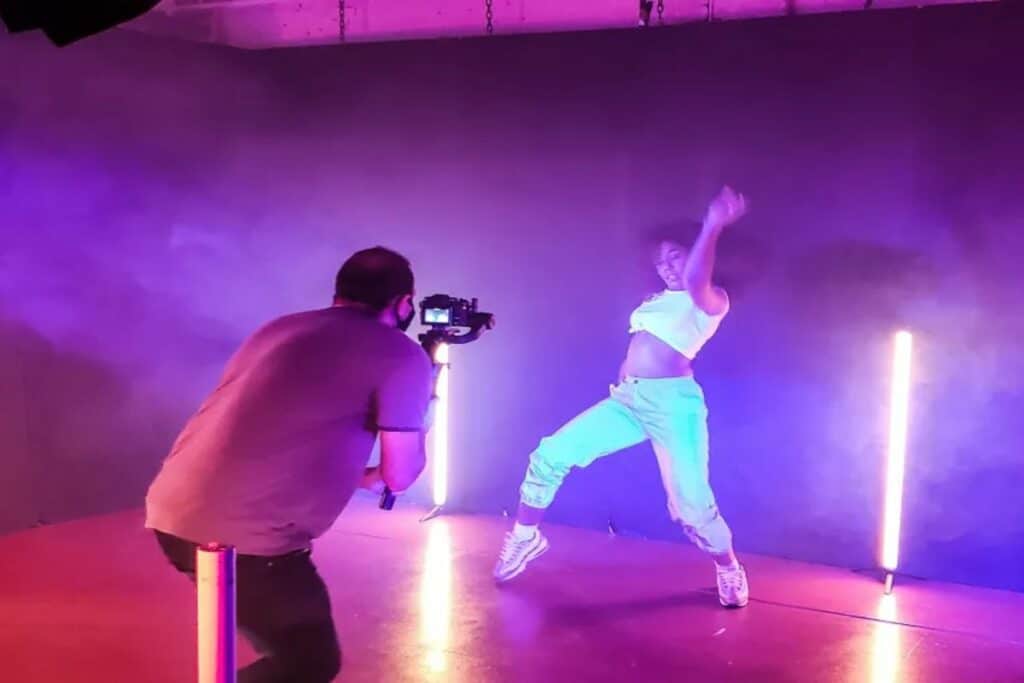
In today’s digital era, music and videos coexist as inseparable companions, each amplifying the other’s emotional and artistic depth. While music alone has the power to evoke profound feelings, its fusion with visual storytelling creates an immersive experience that transcends the boundaries of traditional art forms. This article explores the intricate relationship between music and videos, examining their combined influence on culture, creativity, and the human psyche.
The Symbiotic Relationship Between Music and Videos
The synergy between music and videos is far from a modern invention; it traces back to early experimental films and music performances. However, the advent of music videos in the late 20th century marked a revolutionary shift in how audiences consume music. Videos transformed songs from purely auditory experiences into multi-sensory journeys, blending imagery with rhythm to deepen engagement.
-
Enhancement of Narrative: Music videos provide a visual narrative that complements or even reinterprets a song’s lyrics. This narrative layer enriches the listener’s understanding and emotional connection to the music.
-
Cultural Reflection: Videos often mirror societal trends, fashion, and ideologies, making them cultural artifacts that document evolving public sentiments.
-
Marketing and Branding: The visual component serves as a powerful promotional tool, allowing artists to craft a distinctive image and forge a stronger bond with their audience.
The Artistic Dimensions of Music Videos
At their best, music videos are mini-cinematic masterpieces. Directors and musicians collaborate to create artworks that blend sound, motion, and symbolism. This collaboration opens new avenues for creative expression, offering artists a broader palette to communicate their vision.
Visual Storytelling Techniques
-
Symbolism and Metaphor: Effective videos employ imagery that evokes deeper meanings beyond the surface narrative, inviting viewers to interpret and engage actively.
-
Choreography and Movement: Dance and physical motion synchronized with music emphasize rhythm and emotion, transforming the video into a kinetic spectacle.
-
Cinematography: Lighting, camera angles, and editing rhythms are orchestrated to mirror the music’s mood, creating an audiovisual harmony that captivates viewers.
Emotional Resonance: How Music and Videos Affect the Mind
The combined impact of music and visuals taps into the brain’s emotional centers with remarkable potency. Neuroscientific studies suggest that when sound and imagery align, they can amplify mood regulation, memory retention, and even empathy.
-
Mood Modulation: Upbeat music paired with vibrant visuals can uplift spirits, while somber tones and subdued imagery may evoke introspection or melancholy.
-
Memory Encoding: The integration of visuals with melodies helps embed memories more deeply, which explains why iconic music videos remain etched in cultural consciousness.
-
Empathy and Connection: Videos portraying authentic human experiences alongside music foster emotional understanding, bridging gaps between diverse audiences.
The Evolution of Music Videos in the Digital Age
With the explosion of internet platforms like YouTube, TikTok, and Instagram, music videos have democratized, becoming accessible and shareable worldwide. This democratization has led to innovative formats and trends:
-
Short-Form Videos: Clips ranging from 15 seconds to a minute dominate social media, encouraging artists to create catchy, visually striking snippets.
-
Interactive Experiences: Virtual reality and augmented reality music videos invite viewers to participate actively, blurring the line between audience and performer.
-
User-Generated Content: Fans now create their own video interpretations, covers, and remixes, contributing to the viral spread and reinterpretation of music.
Challenges and Criticisms
Despite their artistic merit, music videos sometimes face criticism for overshadowing the music itself or perpetuating stereotypes and clichés.
-
Visual Overload: Excessive reliance on flashy visuals can detract from the song’s lyrical and melodic substance.
-
Commercialization: The drive for virality and sales may lead to formulaic content that sacrifices originality for mass appeal.
-
Representation Issues: Some videos have been criticized for reinforcing negative cultural stereotypes or failing to promote diversity adequately.
The Future of Music and Video Integration
As technology continues to advance, the fusion of music and video is poised for even more innovative transformations.
-
AI and Machine Learning: Algorithms are beginning to assist in video editing and personalized music video experiences tailored to individual preferences.
-
Immersive Technologies: Holographic concerts and 360-degree videos promise to redefine live music consumption.
-
Cross-Media Collaborations: Musicians, filmmakers, and visual artists are increasingly merging disciplines, creating hybrid art forms that challenge traditional categories.
Conclusion: A Harmonious Legacy
Music and videos together form a dynamic artistic dialogue that shapes contemporary culture. Their collaboration not only enhances aesthetic pleasure but also deepens emotional impact and societal reflection. As creators continue to explore this fertile intersection, we can expect the sensory marriage of sound and sight to evolve in ways that surprise, move, and inspire audiences worldwide.
The art of music and video is more than entertainment; it is a testament to human creativity and the enduring desire to connect through shared stories and emotions.
 Live Moment Music